
Why Keeping Your Kitchen Knives Sharp Is So Important and How to Do It Right
Why Keeping Your Kitchen Knives Sharp Is So Important and How to Do It Right
Why Keeping Your Kitchen Knives Sharp Is So Important and How to Do It Right
There’s nothing like the joy of slicing, dicing, and chopping with ease in the kitchen—but that joy quickly fades when your knives aren’t up to the task. A dull knife not only slows you down, making prep work a hassle, but it also poses a greater risk of injury, as you’ll need to press harder to make each cut. Without a sharp edge, even the most careful slicing can result in uneven cuts, leaving your ingredients less than picture-perfect.
With the right care routine, your knives can stay as sharp as the day you bought them. By incorporating regular sharpening and honing practices into your kitchen routine, you’ll maintain the precision and ease that make cooking enjoyable. Keep reading as we break down why it’s important to keep your knives sharp and how to do it the right way.
There’s nothing like the joy of slicing, dicing, and chopping with ease in the kitchen—but that joy quickly fades when your knives aren’t up to the task. A dull knife not only slows you down, making prep work a hassle, but it also poses a greater risk of injury, as you’ll need to press harder to make each cut. Without a sharp edge, even the most careful slicing can result in uneven cuts, leaving your ingredients less than picture-perfect.
With the right care routine, your knives can stay as sharp as the day you bought them. By incorporating regular sharpening and honing practices into your kitchen routine, you’ll maintain the precision and ease that make cooking enjoyable. Keep reading as we break down why it’s important to keep your knives sharp and how to do it the right way.
Overview:
Why It’s Important to Keep Your Kitchen Knives Sharp
Why It’s Important to Keep Your Kitchen Knives Sharp
Keeping your kitchen knives sharp isn’t just about maintenance; it’s about enhancing your entire cooking experience. A well-honed blade assures that every cut you make is effortless, saving you time and energy while preparing meals.
Keeping your kitchen knives sharp isn’t just about maintenance; it’s about enhancing your entire cooking experience. A well-honed blade assures that every cut you make is effortless, saving you time and energy while preparing meals.
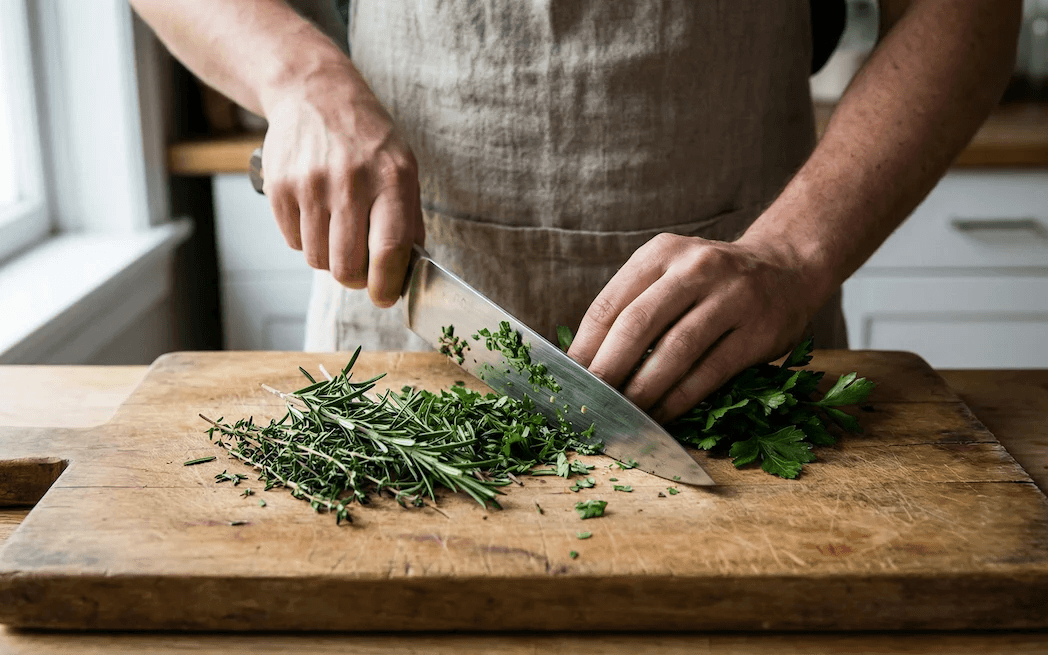
Sharp Knives make clean, precise cuts, enhance kitchen safety, and help preserve the flavor of fresh ingredients — a must-have tool for home cooks and professionals alike.
*Sharp Knives make clean, precise cuts, enhance kitchen safety, and help preserve the flavor of fresh ingredients — a must-have tool for home cooks and professionals alike.
Improved Performance and Efficiency in the Kitchen
Improved Performance and Efficiency in the Kitchen
If you want to streamline your food preparation process, you’ll need sharp kitchen knives. They’ll help you effortlessly slice through your ingredients while providing better control and precision knife cuts.
Whether you’re chopping veggies, fileting a fish, or mincing herbs, a sharpened knife is your best friend in the kitchen.
If you want to streamline your food preparation process, you’ll need sharp kitchen knives. They’ll help you effortlessly slice through your ingredients while providing better control and precision knife cuts.
Whether you’re chopping veggies, fileting a fish, or mincing herbs, a sharpened knife is your best friend in the kitchen.
Enhanced Knife Safety
Enhanced Knife Safety
The best knife is a sharp knife, and a sharp knife is also the safest tool you can have in the kitchen. Unlike dull knives, which require more pressure to slice through ingredients, a sharp knife glides smoothly, allowing you to work with control and precision. When you have to push a dull blade harder, the knife is more likely to slip off food surfaces, increasing your risk of accidents.
With a sharpened knife, less force is needed, which not only protects your hands from slips but also reduces strain on your wrists and fingers. This makes cooking safer, faster, and more enjoyable, as you’re able to cut, chop, and dice with ease and confidence.
The best knife is a sharp knife, and a sharp knife is also the safest tool you can have in the kitchen. Unlike dull knives, which require more pressure to slice through ingredients, a sharp knife glides smoothly, allowing you to work with control and precision. When you have to push a dull blade harder, the knife is more likely to slip off food surfaces, increasing your risk of accidents.
With a sharpened knife, less force is needed, which not only protects your hands from slips but also reduces strain on your wrists and fingers. This makes cooking safer, faster, and more enjoyable, as you’re able to cut, chop, and dice with ease and confidence.
Consistent, Even Cooking
Consistent, Even Cooking
The sharper the knife, the cleaner and more precise the cuts. A sharp edge allows you to slice through ingredients cleanly, giving you even, consistent cuts that look as good as they taste. This uniformity is especially important for dishes that require precise cooking times, as evenly sliced ingredients will cook at the same rate, preventing some pieces from being over- or undercooked.
Beyond cooking performance, sharp cuts also enhance the overall texture and flavor of your ingredients. Delicate herbs stay crisp, vegetables maintain their structure, and meats don’t lose valuable juices, resulting in dishes that are fresher, more vibrant, and full of flavor.
The sharper the knife, the cleaner and more precise the cuts. A sharp edge allows you to slice through ingredients cleanly, giving you even, consistent cuts that look as good as they taste. This uniformity is especially important for dishes that require precise cooking times, as evenly sliced ingredients will cook at the same rate, preventing some pieces from being over- or undercooked.
Beyond cooking performance, sharp cuts also enhance the overall texture and flavor of your ingredients. Delicate herbs stay crisp, vegetables maintain their structure, and meats don’t lose valuable juices, resulting in dishes that are fresher, more vibrant, and full of flavor.
Prolongs Your Knife’s Lifespan
Prolongs Your Knife’s Lifespan
When you’re forced to apply extra pressure and make repeated cuts, the blade undergoes unnecessary strain, which can lead to chips, warping, or even bending over time. This kind of damage doesn’t just make the knife less effective; it can also reduce its lifespan, forcing you to replace your knives more frequently.
By regularly sharpening and honing your knives, you’re not only restoring the blade’s cutting edge but also preserving its structural integrity. Proper maintenance keeps the metal aligned and in peak condition, allowing a high-quality knife to perform like new, year after year.
When you’re forced to apply extra pressure and make repeated cuts, the blade undergoes unnecessary strain, which can lead to chips, warping, or even bending over time. This kind of damage doesn’t just make the knife less effective; it can also reduce its lifespan, forcing you to replace your knives more frequently.
By regularly sharpening and honing your knives, you’re not only restoring the blade’s cutting edge but also preserving its structural integrity. Proper maintenance keeps the metal aligned and in peak condition, allowing a high-quality knife to perform like new, year after year.
How to Keep Your Kitchen Knives Sharp
How to Keep Your Kitchen Knives Sharp
If you want professional-grade sharp blades, all you need are high-quality knife sharpening and honing tools at home. The sharpening process removes excess material from the knife edge, while honing makes sure the blade’s edge remains aligned and refined.
If you want professional-grade sharp blades, all you need are high-quality knife sharpening and honing tools at home. The sharpening process removes excess material from the knife edge, while honing makes sure the blade’s edge remains aligned and refined.
Using the Right Tools for Sharpening & Honing
Using the Right Tools for Sharpening & Honing
Not all sharpening tools provide the same experience. Maintaining a sharp edge requires using reliable tools (sharpeners, whetstones, honing tools, etc.) that are easy to use and effective.
Not all sharpening tools provide the same experience. Maintaining a sharp edge requires using reliable tools (sharpeners, whetstones, honing tools, etc.) that are easy to use and effective.
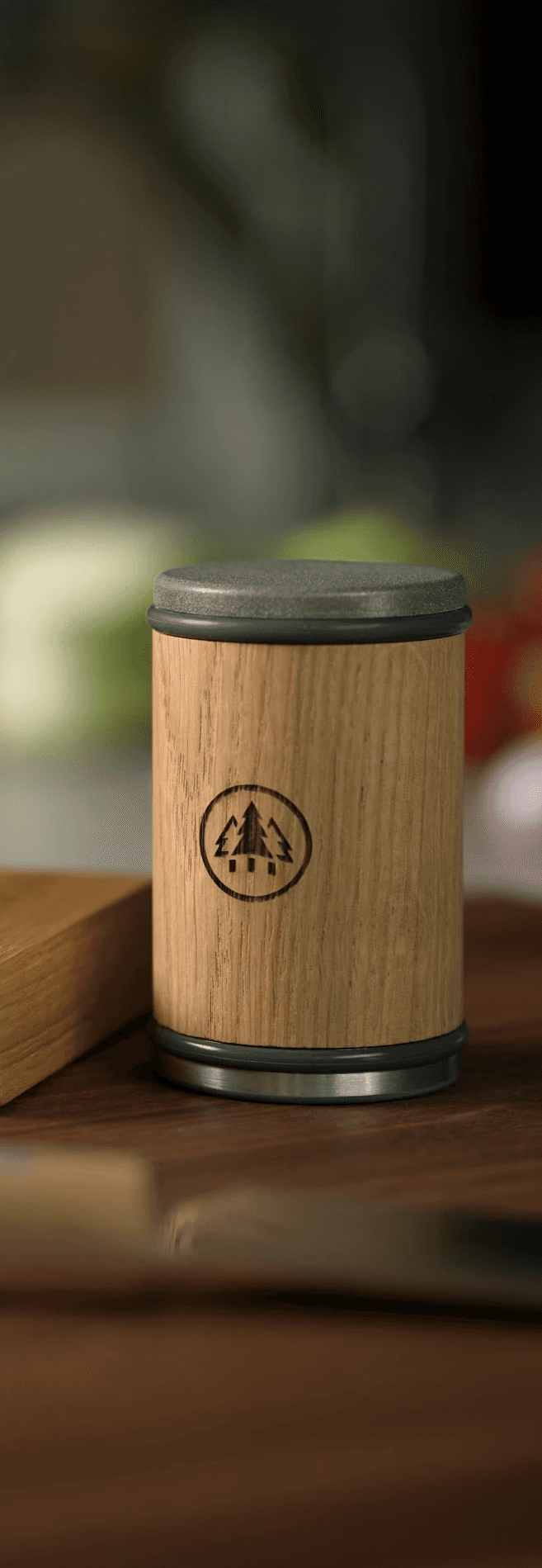
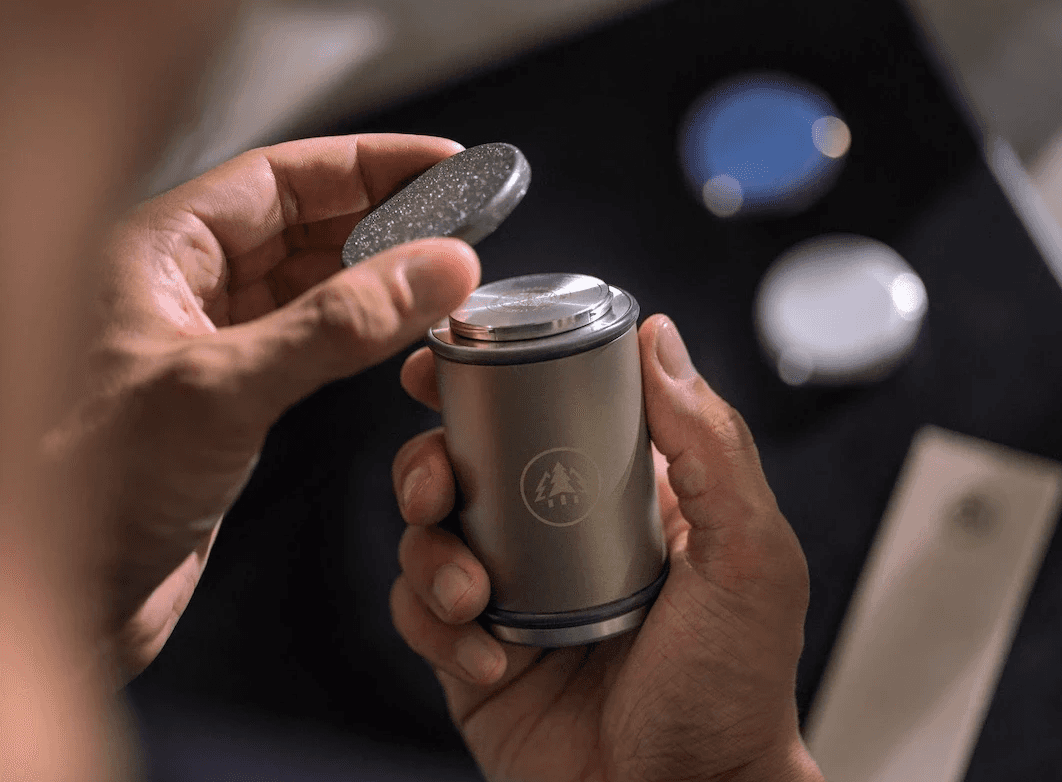
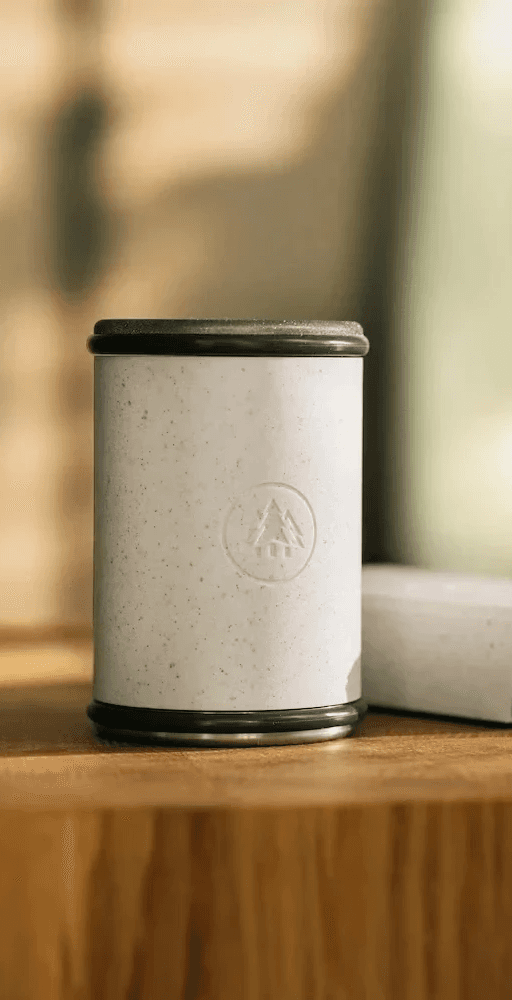
The HORL® 3 Rolling Knife Sharpener delivers factory-fresh sharpness with ease — beginner-friendly, efficient, and precise for consistent results without prior sharpening experience. Credits: Markus Ruf, HORL
The HORL® 3 Rolling Knife Sharpener delivers factory-fresh sharpness with ease — beginner-friendly, efficient, and precise for consistent results without prior sharpening experience. Credits: Markus Ruf, HORL
What Makes HORL Knife Sharpeners Stand Out?
Precise and Easy to Use: Our knife sharpeners are on the cutting edge (all puns intended). Years of precision engineering ensure your knives achieve the perfect bevel and sharp edge every time.
Maximum Durability: From diamond grinding discs to ceramic honing discs, we use high-quality materials in all our sharpening stones and build our products to last a lifetime.
Efficiency & Precision: HORL sharpening tools are low-maintenance and allow you to consistently achieve sharp blades every time.
Peak of Versatility: Our knife sharpening tools can handle chef knives, Japanese knives, boning knives, outdoor knives and everyday kitchen cutlery with ease. HORL sharpeners are built for versatility.
Precise and Easy to Use: Our knife sharpeners are on the cutting edge (all puns intended). Years of precision engineering ensure your knives achieve the perfect bevel and sharp edge every time.
Maximum Durability: From diamond grinding discs to ceramic honing discs, we use high-quality materials in all our sharpening stones and build our products to last a lifetime.
Efficiency & Precision: HORL sharpening tools are low-maintenance and allow you to consistently achieve sharp blades every time.
Peak of Versatility: Our knife sharpening tools can handle chef knives, Japanese knives, boning knives, outdoor knives and everyday kitchen cutlery with ease. HORL sharpeners are built for versatility.
How Often Should You Sharpen Your Knives?
How Often Should You Sharpen Your Knives?
For knives that see daily use in the kitchen, a regular maintenance routine is essential to keep them performing at their best. That said, the type of knife and the quality of the steel also play a crucial role and influence how quickly a knife becomes dull.
A gentle yet effective method for material removal, focusing on carefully honing the areas that need it most, will restore the blade’s edge and keep it in top condition for frequent use. Aim to hone your knives about once a week or whenever you start noticing that the blade isn’t cutting as cleanly. Weekly honing will help realign the edge, maintaining its sharpness and giving you smooth cuts without the need for constant sharpening.
If you use your knives only occasionally, you can extend the time between sharpening sessions.
We also asked chefs about their knife-sharpening routines at home.
For knives that see daily use in the kitchen, a regular maintenance routine is essential to keep them performing at their best. That said, the type of knife and the quality of the steel also play a crucial role and influence how quickly a knife becomes dull.
A gentle yet effective method for material removal, focusing on carefully honing the areas that need it most, will restore the blade’s edge and keep it in top condition for frequent use. Aim to hone your knives about once a week or whenever you start noticing that the blade isn’t cutting as cleanly. Weekly honing will help realign the edge, maintaining its sharpness and giving you smooth cuts without the need for constant sharpening.
If you use your knives only occasionally, you can extend the time between sharpening sessions.
We also asked chefs about their knife-sharpening routines at home.
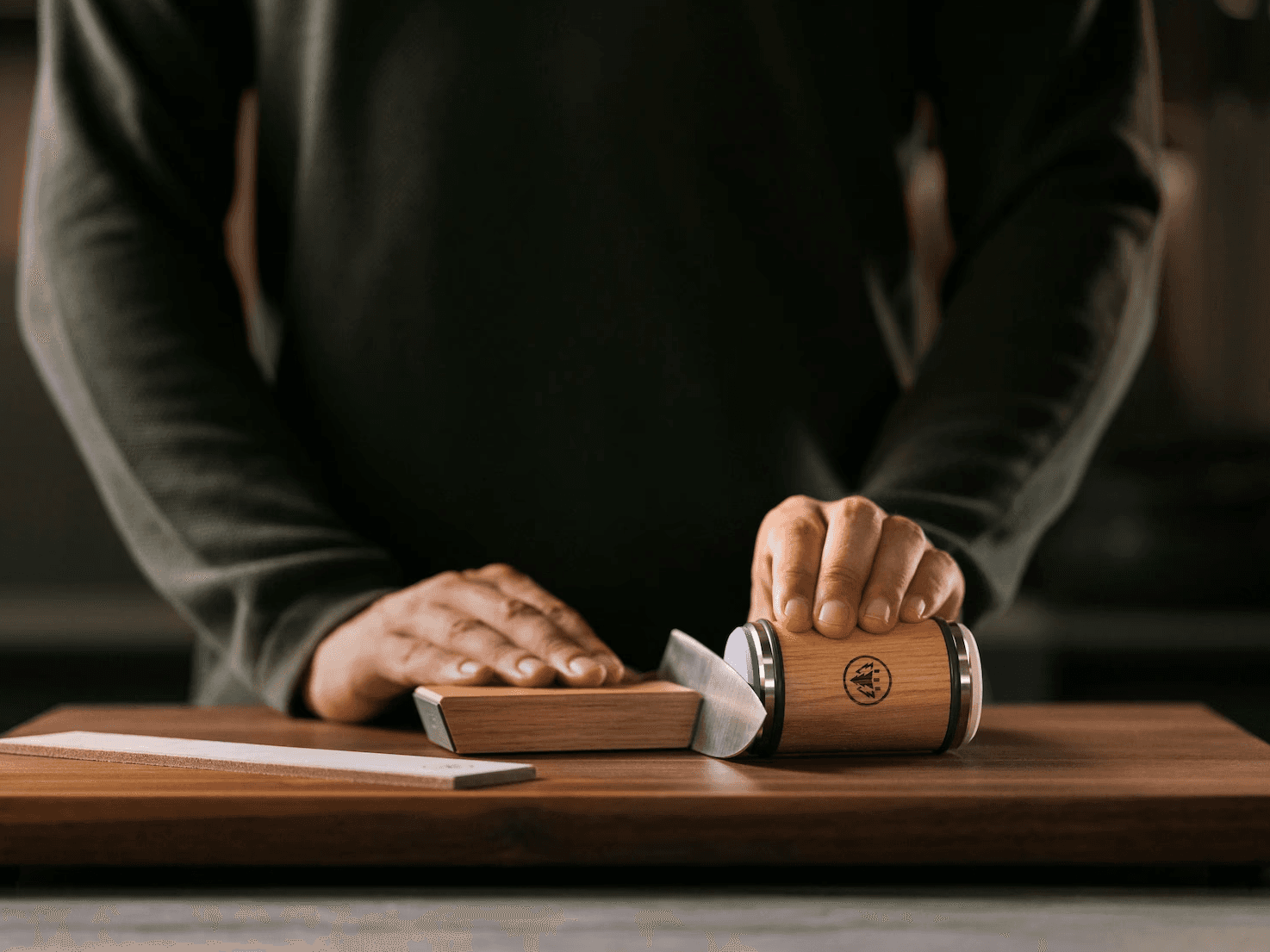
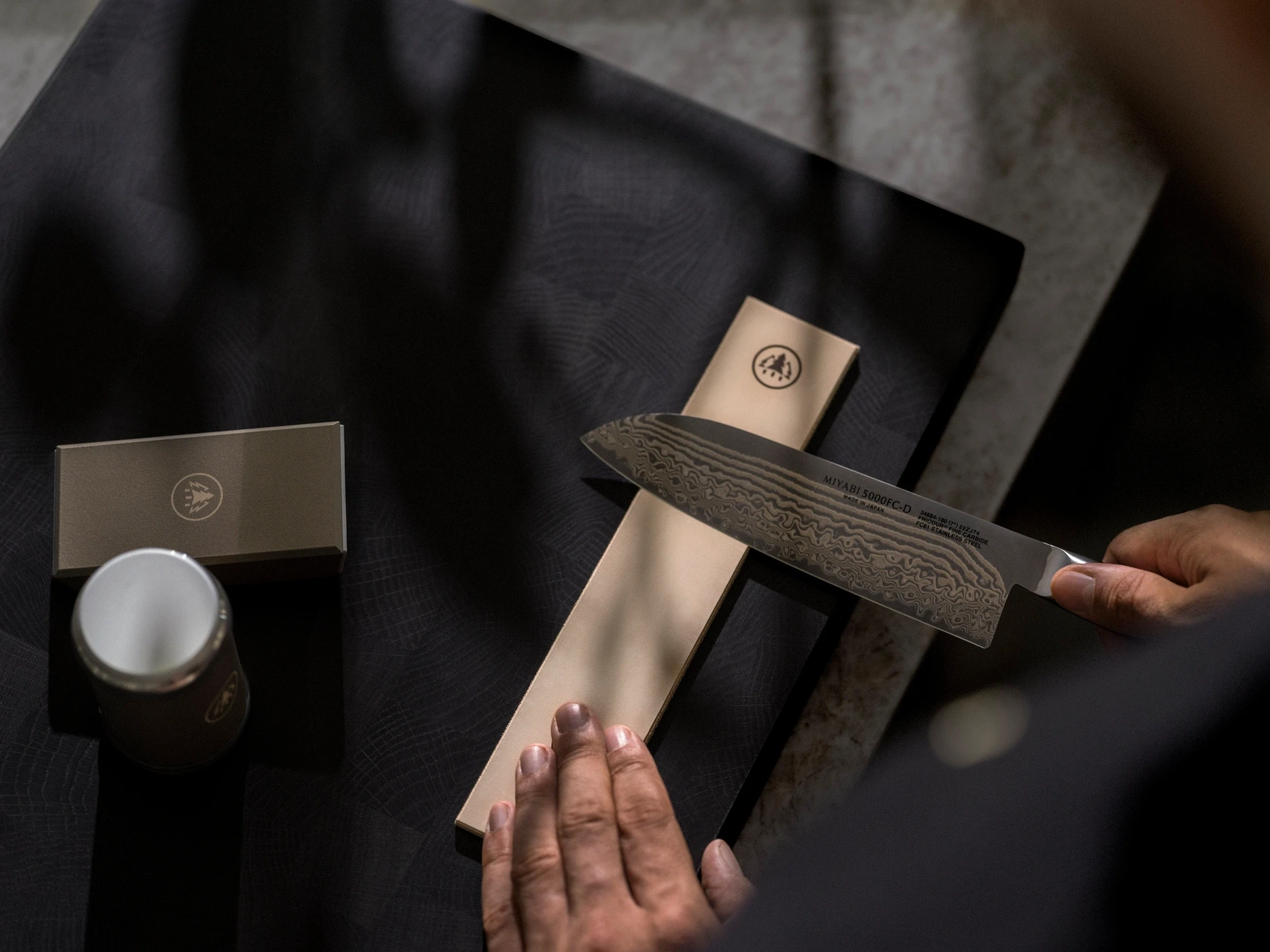
The HORL3 Rolling Knife Sharpener, paired with the Premium Set, delivers effortless precision. Fixed by the Magnetic Angle Support, the knife maintains the perfect sharpening angle. Credits: Ruf, HORL
The HORL3 Rolling Knife Sharpener, paired with the Premium Set, delivers effortless precision. Fixed by the Magnetic Angle Support, the knife maintains the perfect sharpening angle. Credits: Ruf, HORL
Signs Your Knife Needs Sharpening
Signs Your Knife Needs Sharpening
The sooner you realize your knife no longer delivers clean cuts, the less work you’ll have to do to restore its sharpness. It’s best to hone or sharpen your blades if:
You're struggling to cut and find yourself using extra force to cut through foods (the best way to test your knife is to cut a tomato).
Your slices are no longer clean or even.
The blade of your knife is crushing or tearing ingredients instead of providing a clean slice.
Your knife slides off food and no longer cuts smoothly
The sooner you realize your knife no longer delivers clean cuts, the less work you’ll have to do to restore its sharpness. It’s best to hone or sharpen your blades if:
You're struggling to cut and find yourself using extra force to cut through foods (the best way to test your knife is to cut a tomato).
Your slices are no longer clean or even.
The blade of your knife is crushing or tearing ingredients instead of providing a clean slice.
Your knife slides off food and no longer cuts smoothly
Keep Your Kitchen Knives Sharp With HORL
Keep Your Kitchen Knives Sharp With HORL
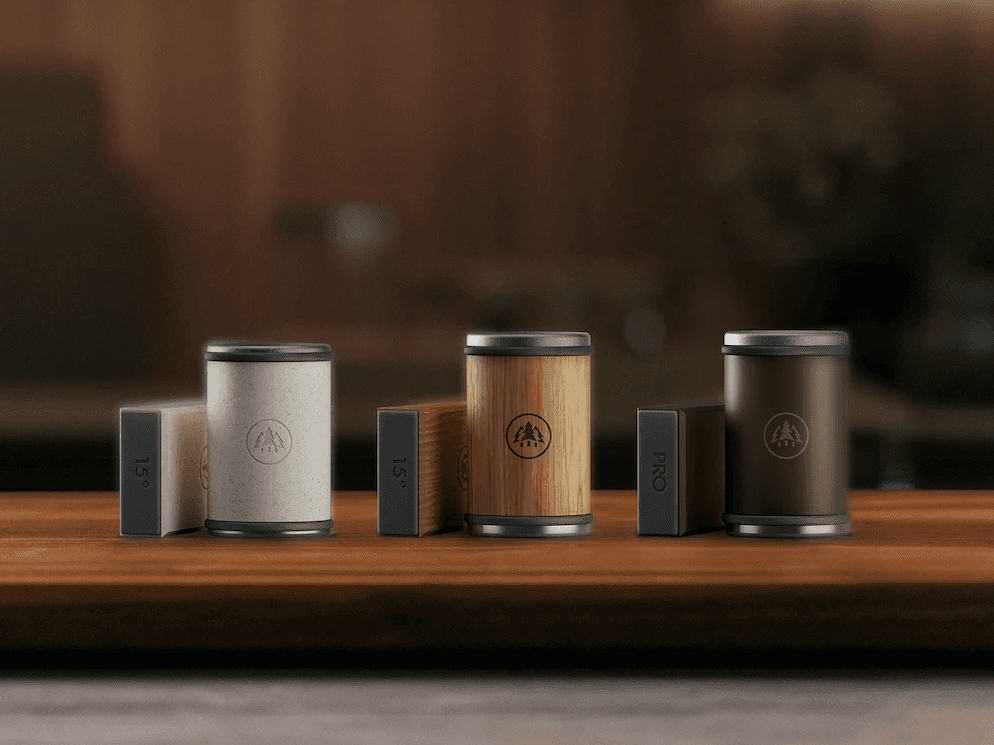
We’re proud to create products that are high-functioning, stylish, and add an extra jolt of joy every time they’re used. We never compromise on quality and build sharpeners designed to serve you for a lifetime. Whether you’re a home cook or professional chef, our HORL3 Cruise, HORL3, or HORL3 Pro products will help you to deliver precise cuts every time.
We’re proud to create products that are high-functioning, stylish, and add an extra jolt of joy every time they’re used. We never compromise on quality and build sharpeners designed to serve you for a lifetime. Whether you’re a home cook or professional chef, our HORL3 Cruise, HORL3, or HORL3 Pro products will help you to deliver precise cuts every time.
El clásico en su perfecta expresión
El clásico en su perfecta expresión
El clásico en su perfecta expresión
Whether you're just starting to explore the world of sharpness or demand the very best from your blades—the different HORL3 models offer you all the options you need.